Step-by-Step Approaches to Achieving Flawless Drywall Fixing and Setup
Accomplishing remarkable drywall repair work and installation requires a systematic technique. It involves recognizing the different sorts of drywall and the devices necessary for the job. Correct area preparation is crucial prior to beginning any job. Drywall Repair Ogden UT. Each step, from patching holes to setting up new sheets, demands focus to information. The procedure does not finish with setup; ending up techniques are vital for a polished look. The next steps will assure a smooth outcome, however just what do they entail?
Recognizing Drywall Kind and Devices Needed
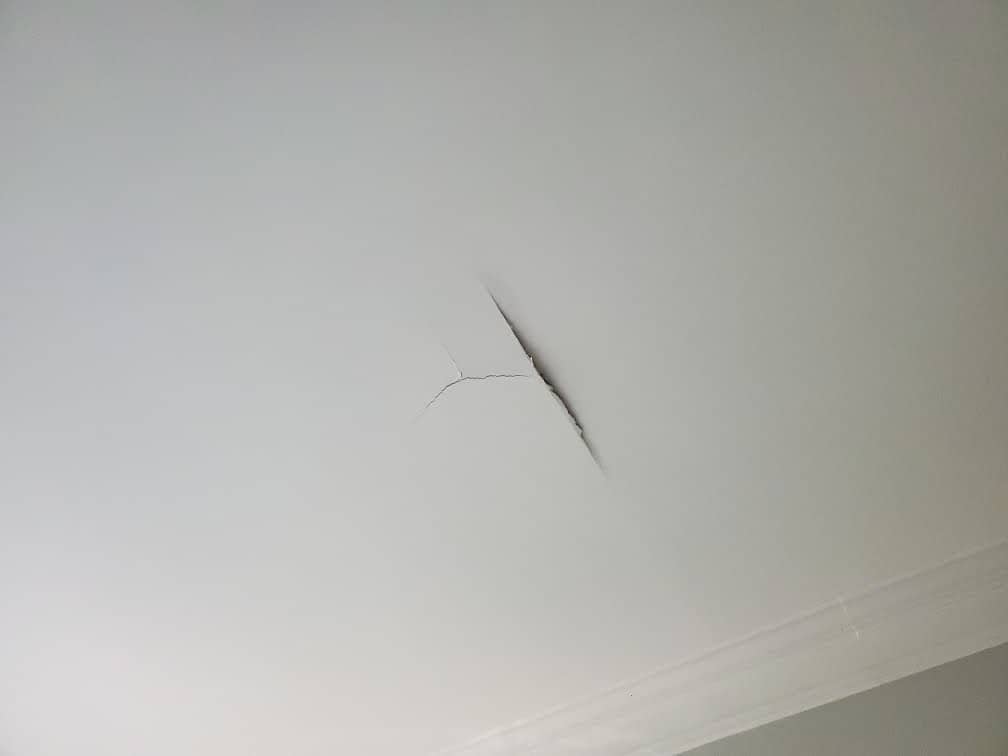
The installation tools are equally vital. An utility knife is essential for reducing drywall sheets, while a drywall saw can assist in making precise cuts for outlets or components. T-squares guarantee exact dimensions, and drywall screws or nails protect the panels to wall studs. Furthermore, a drywall lift can promote the installment of large sheets, minimizing physical stress. Experience with these types and tools considerably adds to the effectiveness and high quality of drywall jobs.
Preparing the Area for Repair or Setup
Preparing the location for drywall fixing or installment is crucial to ensure a smooth and effective process. The surrounding space ought to be removed of furniture and other obstacles to supply ample working area. This not only ensures security but also avoids damages to possessions. Next, it is important to cover the floor with ground cloth to catch any particles or dust generated throughout the job.
Additionally, the wall surfaces should be evaluated for any kind of loosened paint or wallpaper that might disrupt adhesion. Eliminating these components produces a clean surface area for the new drywall. Before beginning, it is recommended to shut off power to electrical outlets or fixtures in the vicinity. Making sure adequate lights in the work space will additionally improve presence and emphasis during the repair service or setup process. drywall contractor. By carefully preparing the location, one prepares for an effective drywall task
Step-by-Step Process for Patching Holes
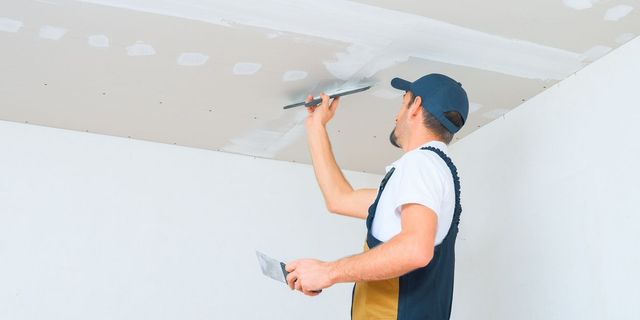
Patching holes in drywall requires an organized technique to guarantee a seamless repair work. The very first step includes reviewing the size of the hole. For tiny openings, a patching compound may be adequate, while bigger holes demand a patch. Next off, the damaged area needs to be cleaned and prepared by removing any kind of loosened particles.
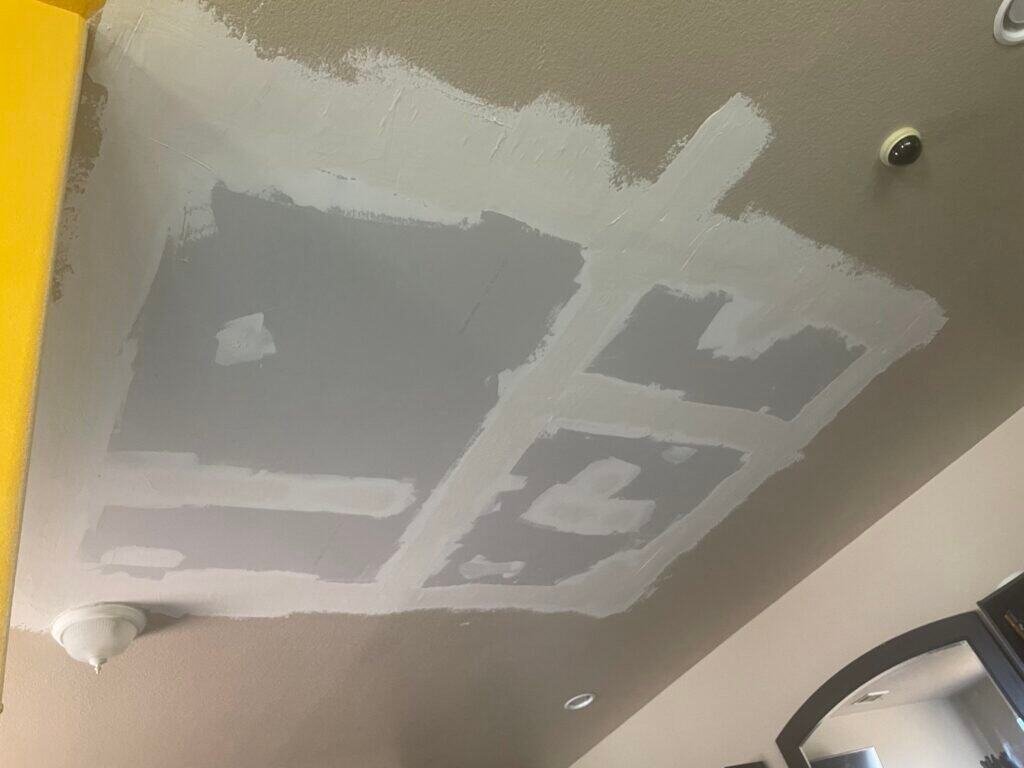
For small holes, using spackling compound with a putty blade is recommended, smoothing it over the hole and feathering the edges. As soon as completely dry, fining sand the location assures a smooth coating. For bigger holes, a drywall patch need to be cut to dimension, placed over the hole, and secured with screws. After mounting the patch, the same spackling process is repeated, adhered to click here by fining sand.
Finally, the patched location has to be keyed and painted to match the bordering wall surface. This precise process ensures a professional appearance and prolongs the life expectancy of the fixing.
Installing New Drywall Sheets: A Comprehensive Overview
Mounting new drywall sheets needs mindful planning and implementation to assure a visually appealing and strong finish. First, the area should be gauged properly to determine the number of sheets required. It is important to pick the right density, usually 1/2-inch for indoor walls and 5/8-inch for ceilings or fire-rated applications.
Next, the studs or structure need to be evaluated for any kind of irregularities, ensuring they are lined up and properly spaced. When positioning the drywall sheets, they should be placed horizontally to lessen seams and boost architectural integrity. A drywall lift can be advantageous for overhead setups.
Attaching the sheets with drywall screws at ideal intervals makes sure a secure installment. It is very important to countersink the screws somewhat listed below the surface area to get ready for the completing procedure. Following these guidelines will certainly bring about a strong structure, prepared for the following action in drywall ending up.
Completing Touches: Taping, Mudding, and Sanding Techniques
As soon as the drywall sheets are safely secured, the focus shifts to the complements that will provide a refined look. This process begins with taping, making use of either paper or fiberglass harmonize tape to cover the joints between sheets. The tape assures a smooth change, lowering the danger of splitting. Complying with insulation, mudding is important; a joint compound is used over the tape to fill up voids and create a seamless surface area. Normally, multiple coats are essential, every one feathered out better than the previous to minimize exposure.
After sufficient drying out time, sanding is the last action in achieving a flawless finish. A fine-grit sandpaper is made use of to smooth the dried compound, assuring there are no flaws or bumps. Interest to detail during this stage is substantial, as it greatly affects the general appearance of the wall surface. Completion outcome ought to be an even, professional-looking surface prepared for priming and paint.
Frequently Asked Questions
Exactly how Do I Choose the Right Drywall Density for My Job?
To select the right drywall thickness, think about the job's objective, area, and architectural requirements. Standard thicknesses include 1/2-inch for general use and 5/8-inch for fire-rated applications, ensuring resilience and compliance with building ordinance.
Can I Install Drywall Over Existing Drywall?
Yes, installing drywall over existing drywall is feasible. However, it is vital to guarantee the underlying surface area is safe and complimentary from damages. Correct fastening and factor to consider of density are critical for a successful setup.
What Are the most effective Practices for Drywall Disposal?
The most effective practices for drywall disposal include reusing when feasible, making use of neighborhood waste management services, and following standards for dangerous materials if applicable. Interior Painting. Properly classifying and securing waste assurances conformity and safety during disposal
How much time Should I Wait On Mud to Dry Before Sanding?
Normally, one ought to wait 24-hour for drywall mud to completely dry prior to sanding. However, drying time can differ based on humidity and temperature, so checking for a company appearance is suggested before proceeding.
Are There Eco-Friendly Drywall Options Available?
Yes, environmentally friendly drywall options are readily available. These alternatives commonly make use of recycled materials, low-VOC adhesives, and sustainable production techniques, minimizing ecological impact while offering efficient insulation and longevity for numerous construction and remodelling jobs.
An utility knife is crucial for reducing drywall sheets, while a drywall saw can aid in making specific cuts for electrical outlets or components. Preparing the area for drywall repair or installation is important to guarantee a effective and smooth process. Patching holes in drywall requires a methodical approach to ensure a smooth repair. Setting up brand-new drywall sheets calls for cautious planning and execution to ensure a aesthetically enticing and strong surface. Yes, setting up drywall over existing drywall is possible.