Discover the most recent Trends in Paint Blends for Your Home Transformation
Discovering Shade Concept: The Basics of Paint Blends
Color concept offers as the foundation for comprehending paint blends in home makeovers. It includes the research of how shades connect and influence each other, playing a considerable role in creating harmonious spaces. At its core, color concept entails key, additional, and tertiary shades, which can be integrated to create various shades and tones. Understanding shade connections, such as complementary, similar, and triadic, assists homeowners pick combinations that evoke wanted feelings and environments.
In addition, the ideas of warm and cool colors guide selections that impact the perception of room. Warm shades, like reds and yellows, can create coziness, while trendy shades, such as blues and greens, advertise serenity. By mastering these concepts, individuals can make enlightened choices about paint blends, making certain that their home transformation reflects their individual style while attaining a balanced visual conducive to their living setting.
Trending Color Mixes for 2023
As house owners seek to freshen their spaces, trending shade combinations for 2023 offer a vibrant palette that reverberates with modern appearances. This year, earthy tones such as terracotta and olive environment-friendly are acquiring appeal, offering a cozy, inviting environment. Combined with soft neutrals like off-white and cream, these colors develop an unified balance that improves both modern-day and conventional insides.
In addition, vibrant contrasts are on the rise, with deep navy blue and mustard yellow making a striking statement. This mix includes deepness and energy to any area. Pastel hues, consisting of soft lavender and mint green, proceed to beauty, advertising a soothing and tranquil setting.
Lastly, monochromatic plans featuring differing tones of a solitary shade, such as abundant emerald green, are appealing for their sophistication and simplicity. These trending mixes reflect a desire for rooms that really feel both trendy and personalized, lining up completely with existing design preferences.
Strategies for Mixing Paint Like a Pro
Blending paint flawlessly requires ability and method, changing average wall surfaces right into sensational masterpieces. Professional painters frequently utilize various techniques to attain remarkable outcomes. One popular strategy is the "feathering" approach, where a dry brush is used to soften the sides in between different colors. This develops a smooth shift and eliminates rough lines.
An additional reliable method is the "ombre" technique, which entails slowly blending 2 or more colors from light to dark. This calls for cautious layering and consistent brush strokes to keep a smooth flow.
Making use of a sponge or cloth can also boost mixing, enabling special textures and subtle shade variations. It is vital to operate in small areas, blending shades while they are still wet to determine a natural look. Proficiency of these methods can boost any type of painting task, offering deepness and sophistication to a home's setting.
Incorporating Appearance and Patterns in Paint Blends
Incorporating appearance and patterns into paint blends can raise the aesthetic appeal of any kind of space, adding depth and character. Developers increasingly use techniques such as sponging, cloth rolling, and stenciling to develop distinct impacts that attract the eye. These methods enable for the layering of shades and structures, improving the total design.
Utilizing distinctive paint items can also introduce measurement to walls, making them much more vibrant. For example, a matte finish can contrast perfectly with a shiny pattern, producing a striking aesthetic interaction.
Patterns, whether geometric or natural, can be seamlessly integrated into blends, enabling individualized visual expressions (corpus christi paint store). Prints can be utilized moderately as accents or even more extensively for a strong statement
Eventually, the thoughtful unification of texture and patterns in paint blends changes ordinary spaces into captivating environments, showing specific design while keeping a natural appearance throughout the home.
Room-by-Room Overview to Repaint Blends
The application of paint blends can differ considerably from one room to another, each space offering unique opportunities for creativity and personalization (benjamin moore paint store corpus christi). In living spaces, cozy tones can produce an inviting environment, while cooler tones might advertise leisure. A blend of soft eco-friendlies and blues can breathe life right into a cooking area, making it really feel fresh and lively
Corridors and entranceways gain from complementary blends that guide the eye with the home, usually utilizing lighter shades to produce a feeling of visibility. In kids's areas, spirited mixes of intense colors encourage creativity and fun, more info enabling an area that grows with the kid. Each space's personality can be beautifully expressed through thoughtful paint blends.
Tips for Choosing the Right End Up and Sheen
How does one identify the best surface and sheen for their paint project? The choice of coating greatly influences the general look and toughness of a repainted surface. Typically, finishes range from flat to high-gloss, each serving different aesthetic and useful objectives. For high-traffic areas, such as kitchens and hallways, a satin or semi-gloss coating is advisable, as these are less complicated to withstand and clean moisture. On the other hand, level surfaces work well in low-traffic areas, using a subtle, non-reflective look.
In addition, light can affect luster understanding; a room with enough natural light might gain from a matte surface to soften brightness. It is additionally important to think about the space's objective; as an example, a comfy home could require a warm eggshell surface. Ultimately, recognizing the balance between aesthetic appeals and practicality can lead individuals in picking the optimal finish and shine for their home's makeover.
Often Asked Inquiries
Can I Blend Paint Color Styles Myself, or Should I Work with a Specialist?
Mixing paint colors can be done independently, enabling individual creative thinking. Nonetheless, working with an expert may guarantee much more precise results and expertise, particularly for intricate designs or attaining a specific visual vision in home decoration.
How Do I Keep Mixed Paint Finishes With Time?
To keep combined paint finishes, normal cleaning with light soap and water is necessary. Prevent unpleasant cleaners, and touch up any kind of scrapes or scuffs promptly. Appropriate ventilation can likewise help protect the paint's vibrancy over time.
Are There Eco-Friendly Paint Options for Mixing?
Yes, there are environment-friendly paint options for mixing, including low-VOC and all-natural paints. These products decrease hazardous emissions and use lasting materials, permitting individuals to accomplish beautiful finishes while focusing on environmental health and wellness.
What Tools Do I Need for Mixing Paint Efficiently?
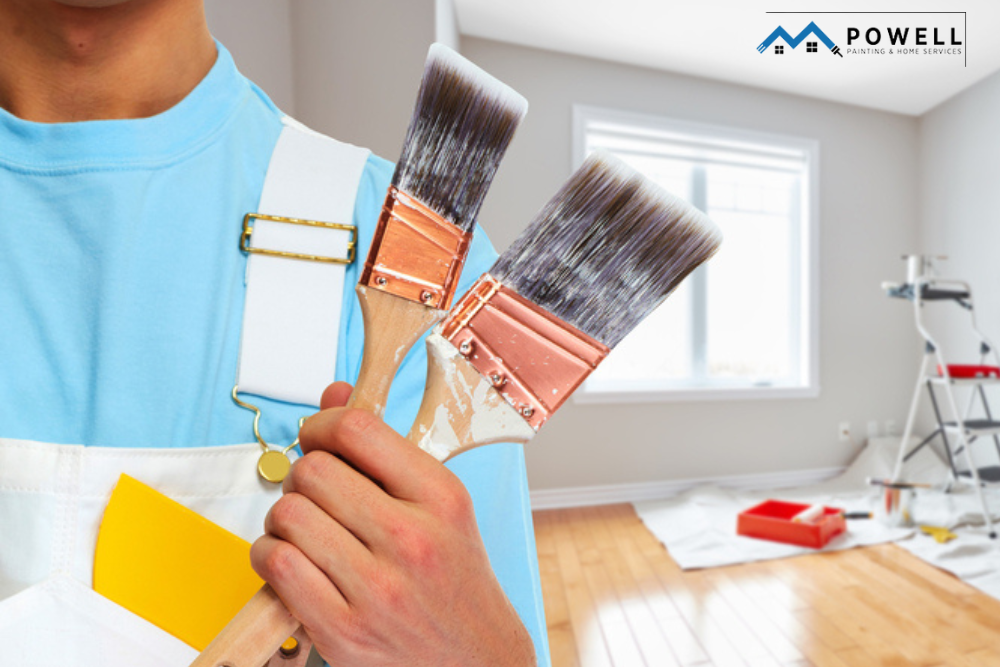
To mix paint properly, one requires high-quality brushes, rollers, a paint tray, painter's tape, a combination blade, and a spray bottle for misting. These devices assure smooth shifts and professional-looking cause any type of paint task.
How Do I Repair Mistakes in My Paint Blends?
To take care of blunders in paint blends, one can gently sand the location, use a primer, and repaint using the appropriate technique. corpus christi paint store. Persistence and method are necessary for attaining smooth, professional-looking lead to paint mixing
Shade theory serves as the foundation for comprehending paint blends in home transformations. The application of paint blends can differ substantially from one area to an additional, each room offering special possibilities for creative thinking and customization. Mixing paint shades can be done separately, enabling for personal creativity. Yes, there are environment-friendly paint choices for mixing, including low-VOC and natural paints. To blend paint effectively, one requires high-quality brushes, rollers, a paint tray, painter's tape, a scheme blade, and a spray container for misting.